
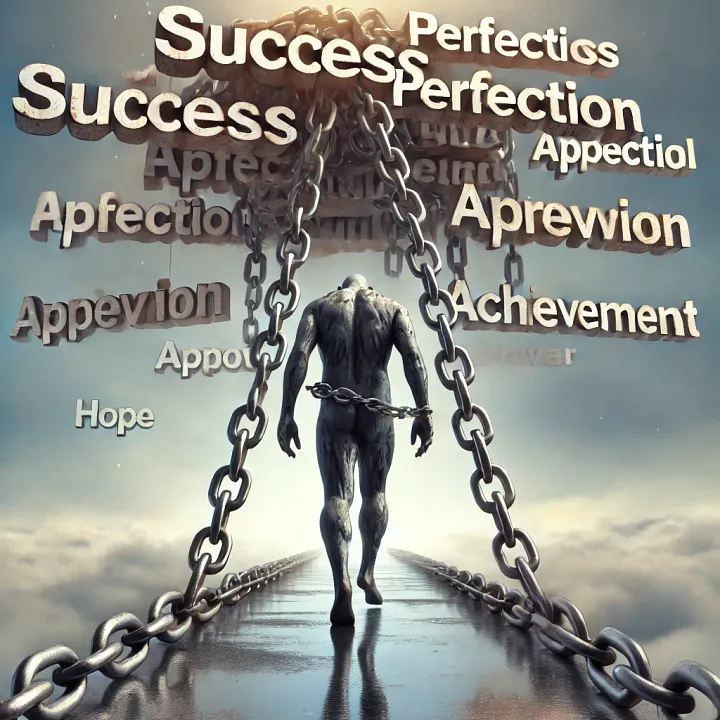
Modern life has become a performance. Every day, people wake up, put on their armor, and walk into the world pretending to have everything under control. Yet behind strong eyes, bright clothes, funny captions, and confident handshakes, countless individuals are fighting battles that remain invisible to the rest of the world. What makes this era profound is not that people suffer human beings always have but that suffering has become silently normalized.
Addiction is normalized.
Depression is normalized.
Isolation is normalized.
Pretending is normalized.
But none of these should ever be normal.
This article is simply a reflection of what people actually live through without filters, without exaggeration because today’s society is full of functioning individuals who show strength publicly while falling apart privately.
Why Silent Struggles Feel Heavier Today
There was a time when people lived more connected lives. Villages raised children. Families ate together. Conversations weren’t rushed. People didn’t talk to each other through screens. Today, we live among crowds but feel alone. We have access to thousands of contacts but often no one to sincerely open up to.
Why is that?
Because we now measure value through performance, not presence.
- Are you successful?
- Do you have a stable relationship?
- Are you financially comfortable?
- Are you attractive enough?
- Are you good enough?
- Are you strong enough to “handle life”?
Expectation has replaced empathy.
The average person wakes up already behind trying to catch up with ideal lives they see around them. But most of those ideal lives are curated, edited, filtered, and adjusted to look better than reality. This invisible comparison destroys peace.
People suffer quietly not because they want to, but because they no longer know how to express pain without being judged.
The Subtle Faces of Modern Addiction
When most people think of addiction, they imagine substances alcohol, cigarettes, drugs. But today’s society has built new addictions that are more subtle, socially acceptable, and harder to confront.
1. Digital Escapism
People escape into:
- Social media
- Streaming platforms
- Endless scrolling
- Online validation
This is the addiction of “just one more scroll,” “just one more episode,” “just one more post.”
The brain craves distraction because distraction suppresses uncomfortable truth.
2. Emotional Dependency
Some become addicted to people not out of love, but fear.
Fear of abandonment.
Fear of loneliness.
Fear of starting again.
They stay in unhealthy connections because familiar pain feels safer than uncertain happiness.
3. Hyper-Productivity
Some people cannot rest.
To them, silence feels threatening. Stillness feels like failure. Productivity becomes a drug, and achievements become emotional anesthesia.
Look at individuals who always have something to do, something to start, something to finish. Many are not ambitious; they are running from internal emptiness.
4. Pleasure-Driven Escapes
People also hide behind:
- Gambling
- Porn
- Excessive alcohol
- Recreational spending
- Spontaneous thrill-seeking
When these behaviors are repeated not for pleasure, but to avoid thinking, they become psychological dependence.
Modern addiction rarely reveals itself through chaos; it reveals itself through routine.
Depression Is Becoming Familiar, And That Is Dangerous
Depression used to be an emotional state people talked about carefully. Today, the word appears casually everywhere. Yet, while the word has become common, the condition itself is deeply misunderstood.
Depression is not simply sadness.
Not tiredness.
Not mood swings.
It is a quiet emotional paralysis.
People go to work, attend school, host conversations, laugh at jokes, and still feel empty. They live life like passengers watching through glass.
Here are silent forms of depression many people live with:
High-Functioning Depression
These individuals appear successful, composed, articulate, reliable, and responsible. They meet expectations, but at night, they are drained.
Their strength is not strength it is survival mode.
Disguised Depression
Where individuals use humor, social energy, or performance as camouflage.
The loudest friend is sometimes the saddest.
The most cheerful colleague is sometimes the loneliest.
The irony is that these people are rarely checked on because everyone assumes they’re doing well.
Internal Withdrawal
This is when someone shows up physically but disconnects emotionally.
They say “I’m fine,” not because nothing is wrong, but because explaining feels exhausting.
Why People Don’t Ask For Help
It is easy to say “ask for help,” but harder to do so when vulnerability has consequences.
People hesitate because:
“What if I am misunderstood?”
“What if I burden someone?”
“What if I am dismissed?”
“What if opening up makes me look weak?”
“What if I expose pain that I should have handled already?”
In many environments, problems are not listened to they are judged, compared, or minimized.
Here are common responses that shut people down:
- “You’ll be fine.”
- “Others have it worse.”
- “Why are you overreacting?”
- “You should be grateful.”
- “Move on.”
When a struggling person hears these, they don’t argue they retreat.
And once they retreat, silence becomes a shield.
Carrying Life Alone Has Become The New Normal
Humans are not designed to carry life alone. But our world teaches self-sufficiency without teaching emotional literacy. People know how to send emails, schedule meetings, build resumes, pay bills but don’t know how to:
- unpack emotions
- process disappointment
- confront grief
- acknowledge trauma
- forgive themselves
When emotional life is unprocessed, people drift into versions of themselves that even they cannot recognize.
Some forget how they used to laugh.
Some forget how to enjoy moments without planning their next move.
Some forget how to receive love without suspicion.
Humanity is advancing, yet emotional awareness is declining.
The Burden of Pretending
Pretending is not deception. It is protection.
People pretend because reality is heavy, and pretending buys time. Acting fine preserves dignity. It prevents questions one doesn’t want to answer.
But pretending is expensive:
- It consumes energy
- It drains confidence
- It blocks true connection
- It isolates even in relationships
There is no greater exhaustion than acting like your heart is not struggling.
So What Do People Actually Need?
Not solutions.
Not lecture-style advice.
Not dramatic interventions.
People mostly need:
- to be heard
- to be seen
- to be believed
- to be accepted
- to be understood
- to be met where they are
When someone is fighting an invisible battle, presence matters more than instruction.
Sometimes the greatest support is not saying,
“You will be fine,”
but saying,
“If it gets heavy, I’ll sit with you.”
How Personal Battles Influence Identity
Silent pain changes people.
It influences how they trust.
Betrayed people walk carefully, even when future relationships are safe.
It influences confidence.
Neglect sometimes whispers louder than encouragement.
It influences purpose.
People lose dreams not because they can’t achieve them, but because they stopped believing they deserve them.
It influences personal worth.
When someone repeatedly carries pain alone, they begin to believe they are meant to struggle.
But none of this is true.
Pain is not identity.
Struggle is not weakness.
Healing is not failure.
The fact that people continue forward despite emotional weight is proof of strength.
How Black Out Thursday Fits Into This Reality
Black Out Thursday is not just symbolic clothing it is a social cue.
Black represents:
- grounding
- reflection
- protection
- depth
- clarity
Every Thursday becomes a controlled interruption in the week. It silently invites people to do three things:
Pause.
Stop autopilot mode.
Observe your emotional state.
Acknowledge what you carry.
Reflect.
Ask yourself:
- “Where am I emotionally?”
- “Who needs kindness this week?”
- “Who should I check on?”
- “Where am I pretending?”
Reconnect.
With self, with others, and with human responsibility.
It promotes peace not as a theory but as a task.
It promotes unity not as a slogan but as a lifestyle.
It promotes love not as a feeling but as an action.
When the world engages with the practice, small waves begin.
One person feels remembered.
One person feels valued.
One person gathers courage.
One person stops harmful decisions.
And when emotional isolation reduces, silent battles become shared strength.
What Readers Should Take With Them Today
People do not need perfection; they need authenticity.
You do not need to have everything figured out to deserve peace.
You do not need to be emotionally flawless to be valued.
And most importantly:
Your silent struggles do not disqualify you from healing, joy, or support.
Let this be clear:
Showing strength is admirable,
but allowing yourself to be human is far more powerful.
Life will stretch you, shape you, drain you, disappoint you, and teach you but life will also reward perseverance.
Nothing about living is easy, yet you are doing it every day.
In your own way.
At your own pace.
Fighting silent battles that no one sees.
And that alone is evidence of resilience.
Closing Note
This world is full of people pretending to be okay. And maybe you’re one of them. Maybe you don’t know how to unpack what you feel. Maybe you’ve normalized sadness to the point that you no longer recognize joy.
But do not forget:
- Your presence matters
- Your life matters
- Your voice matters
- Your pain matters
- Your healing matters
There are still good people who would walk beside you if you allow them to.
So take life one day at a time.
One moment at a time.
One recovery at a time.
Your story is still unfolding.
And even when your heart feels heavy, keep going.
Not because everything makes sense today,
but because the world is not finished showing you beauty yet.


Great Article 👏❤️✨️
This is very Powerful, I realised that at times I pretend to be okay, just because of the thought “everyone has their own fair share of suffer, so why burden others”. However thank you for the reminder that “Showing strength is admirable,
but allowing yourself to be human is far more powerful.” It’s empowering to not feel alone.
Thank you blackoutthursday 🖤