
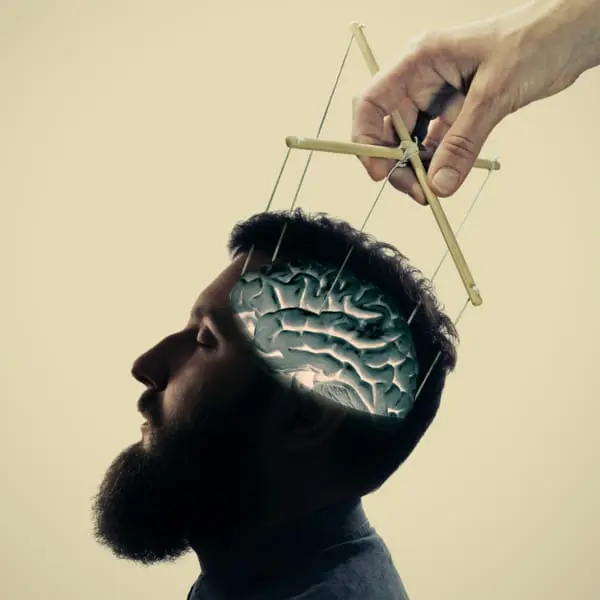
Everything today is engineered to keep people hooked. Let’s unpack why that’s happening, what it’s costing us, and how to reclaim balance without turning into a monk.
⚙️ 1. Neurohacking for Profit
What it is:
Everything from your favorite game to your favorite delivery app uses dopamine feedback loops! The same psychological structure casinos use.
How it affects us:
- Rewired brains: We’ve trained our nervous systems to expect fast rewards. so patience, long-term thinking, and grit are dying out.
- Chronic dissatisfaction: When dopamine spikes come from easy sources (likes, wins, purchases), natural joy feels dull. That’s why people can’t enjoy simple things anymore.
- Burnout disguised as boredom: Your brain is always overstimulated but underfulfilled. So even when you rest, it doesn’t feel like rest.
Societal impact:
This creates a generation that’s highly reactive, easily distracted, and emotionally unstable. Perfect for consumer culture but terrible for self-mastery.
🧮 2. Algorithmic Targeting
What it is:
AI systems track your micro-actions even the milliseconds you hover over something. They do this to predict and control your attention.
How it affects us:
- Digital echo chambers: Algorithms feed you what you already like or believe, shrinking your worldview. That’s why political and cultural polarization is exploding.
- Addictive personalization: You stop choosing. the algorithm chooses for you. Choice fatigue kicks in, and people lose agency.
- Identity manipulation: Companies now “curate” who you are, what you buy, how you dress, even how you feel about yourself.
Societal impact:
People become programmable. Culture becomes algorithmic, not organic. Human diversity flattens into trends.
⚡ 3. Convenience Culture
What it is:
Everything! Food, shopping, transport, information is a few taps away. Instant gratification has become a baseline expectation.
How it affects us:
- Impatience epidemic: We can’t tolerate discomfort. Waiting feels wrong. This kills resilience.
- Surface living: We rush through everything. Deep focus, long-term relationships, and real skill-building decline.
- Loss of appreciation: When everything is easy, nothing feels meaningful. You value less what costs you no effort.
Societal impact:
A population addicted to comfort won’t fight for truth or justice, it’ll choose what’s easy, not what’s right.
💔 4. Emotional Substitution
What it is:
People use external things like entertainment, relationships, shopping, substances to escape inner discomfort or emptiness.
How it affects us:
- Emotional illiteracy: We’ve lost the ability to sit with emotions. Sadness, anxiety, or loneliness are seen as problems to avoid, not messages to understand.
- Escapism loops: Instead of resolving pain, people numb it. It comes back stronger later.
- Broken self-connection: Constant distraction kills introspection. You can’t hear your intuition through noise.
Societal impact:
A society that can’t face pain can’t heal. It keeps medicating symptoms through products, relationships, or politics instead of addressing roots.
👥 5. Social Conditioning & Image Culture
What it is:
We’ve tied our worth to visibility. Followers, aesthetics, possessions. They’ve become modern proof of existence.
How it affects us:
- Perfection pressure: Constant comparison leads to anxiety, envy, and self-hate.
- Authenticity crisis: People build curated personas instead of true selves.
- Emotional emptiness: Validation becomes the new oxygen. Without likes or praise, people feel invisible.
Societal impact:
We’ve built a generation that looks connected but feels unseen. Relationships become transactional, not soulful.
🧠 6. Cognitive Overload
What it is:
Our brains are processing more information daily than any generation before us.
How it affects us:
- Decision fatigue: Constant choices drain willpower. That’s why people “doom scroll”, their brains are too tired to choose something better.
- Fragmented attention: Multitasking is glorified, but it destroys deep focus.
- Anxiety inflation: Too much input, too little integration. The brain stays in constant alert mode.
Societal impact:
Chronic mental fatigue. Creativity drops. Critical thinking collapses. People outsource thinking to influencers and AI.
🕊️ 7. Spiritual Disconnection
What it is:
Modern life glorifies productivity and consumption but starves meaning. We’ve replaced faith, purpose, and introspection with aesthetics and achievement.
How it affects us:
- Existential emptiness: Even success feels hollow when it’s disconnected from inner purpose.
- Loss of moral compass: When the divine or philosophical anchor disappears, people chase status instead of truth.
- Collective anxiety: Deep down, people know something’s missing. they just can’t name it.
Societal impact:
Depression, nihilism, and spiritual fatigue become normalized. People mistake stimulation for aliveness.
🧭 So Where’s the Way Back?
It’s not about deleting everything, it’s about reclaiming control.
🔹 For Kids & Teens:
- Teach emotional literacy early: Let them name and process feelings.
- Encourage boredom: That’s how creativity is born.
- Limit screen time not as punishment, but as empowerment.
🔹 For Adults:
- Build “dopamine balance” into your routine: One stimulating activity, one grounding one.
- Invest in real relationships: Depth over digital quantity.
- Consume less, create more: Write, cook, move, garden, volunteer.
🔹 For Elders:
- Share wisdom stories: Remind younger people of slow, simple living.
- Stay socially connected offline: Isolation is a silent killer.
- Keep purpose alive: Mentorship, art, or community roles.
🧩 The Big Truth
We’ve evolved faster technologically than spiritually.
Our tools advanced, our inner discipline didn’t.
Until we align the two, technology serving consciousness, not the other way around. Society will keep mistaking addiction for progress.




I recently checked out mn7777 and ended up spending more time on it than I planned. Worth a look: mn7777